
Empty Bowls
lessons learned too late + deets on your next Office Hour with an Editor
Dear one, how is your Twilight Zone week between Christmas and New Year’s going?
Ours has been filled with traveling up and down the state of Maine, a moderate dose of sickness, raucous games of Yatzee (which inevitably end with our two-year-old grabbing the dice and running away), pork shoulder simmering all day on the stovetop, and me trying to curl up wherever I can to hide and see what happens next in A Gentleman in Moscow.
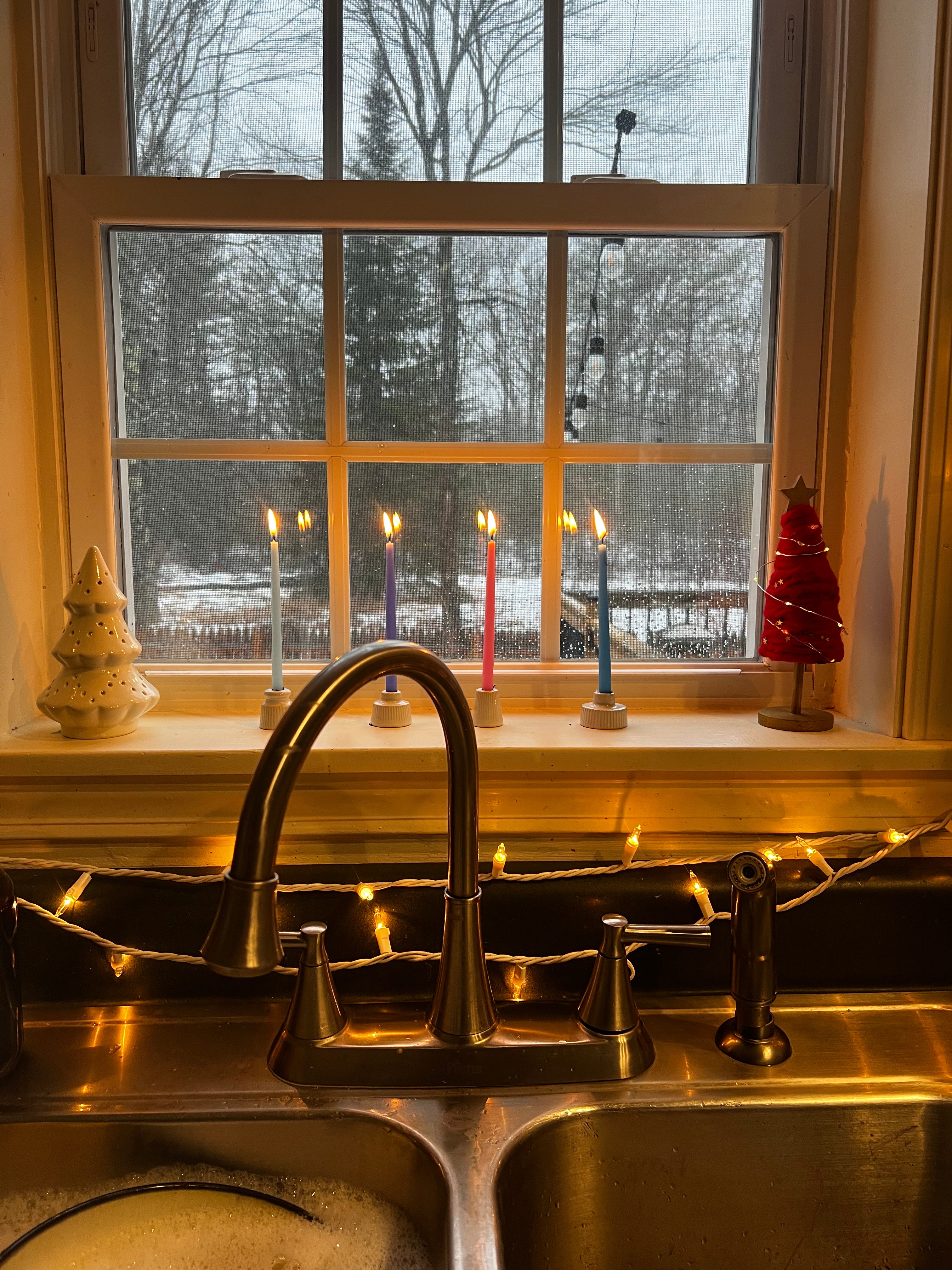
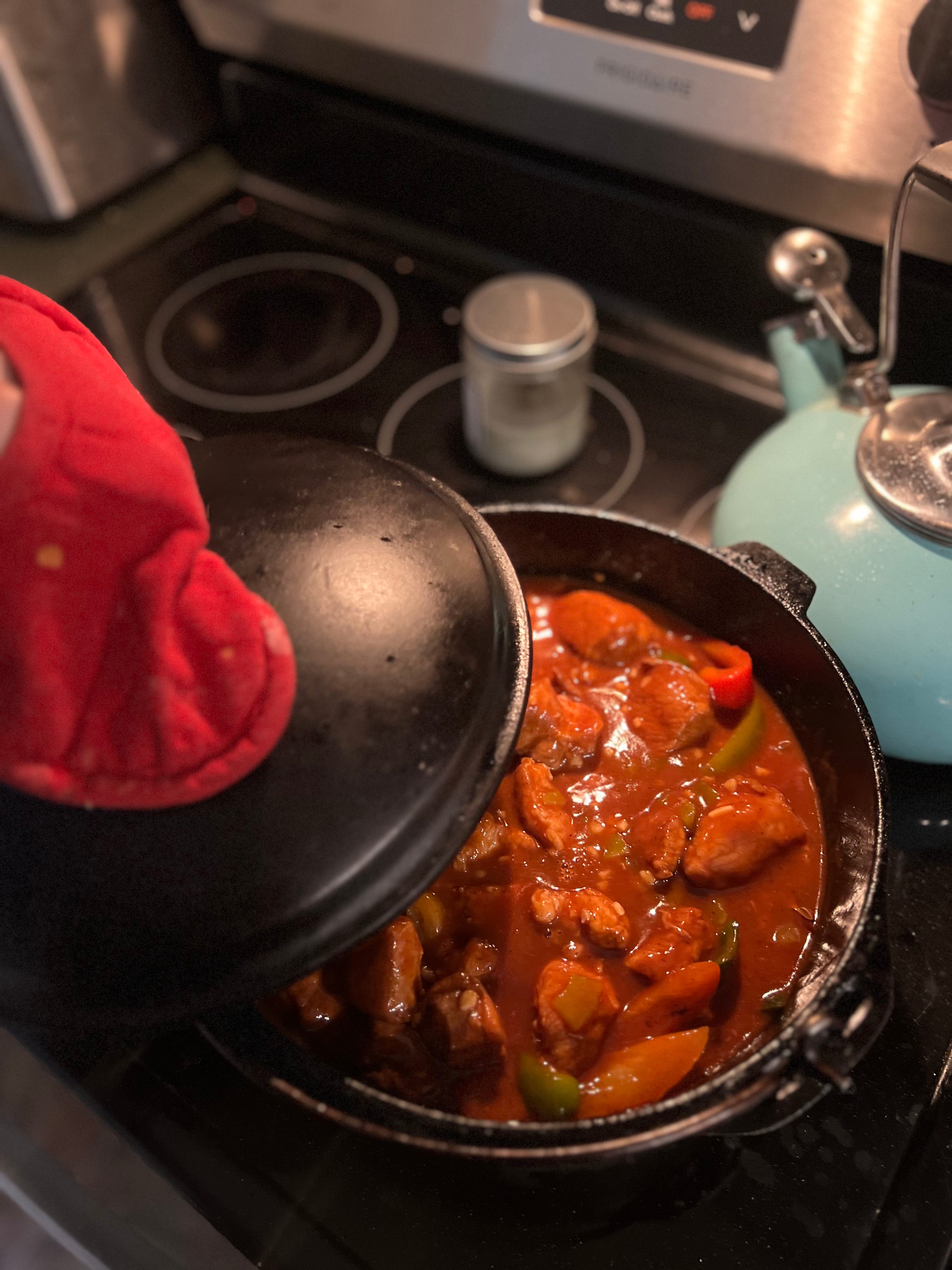
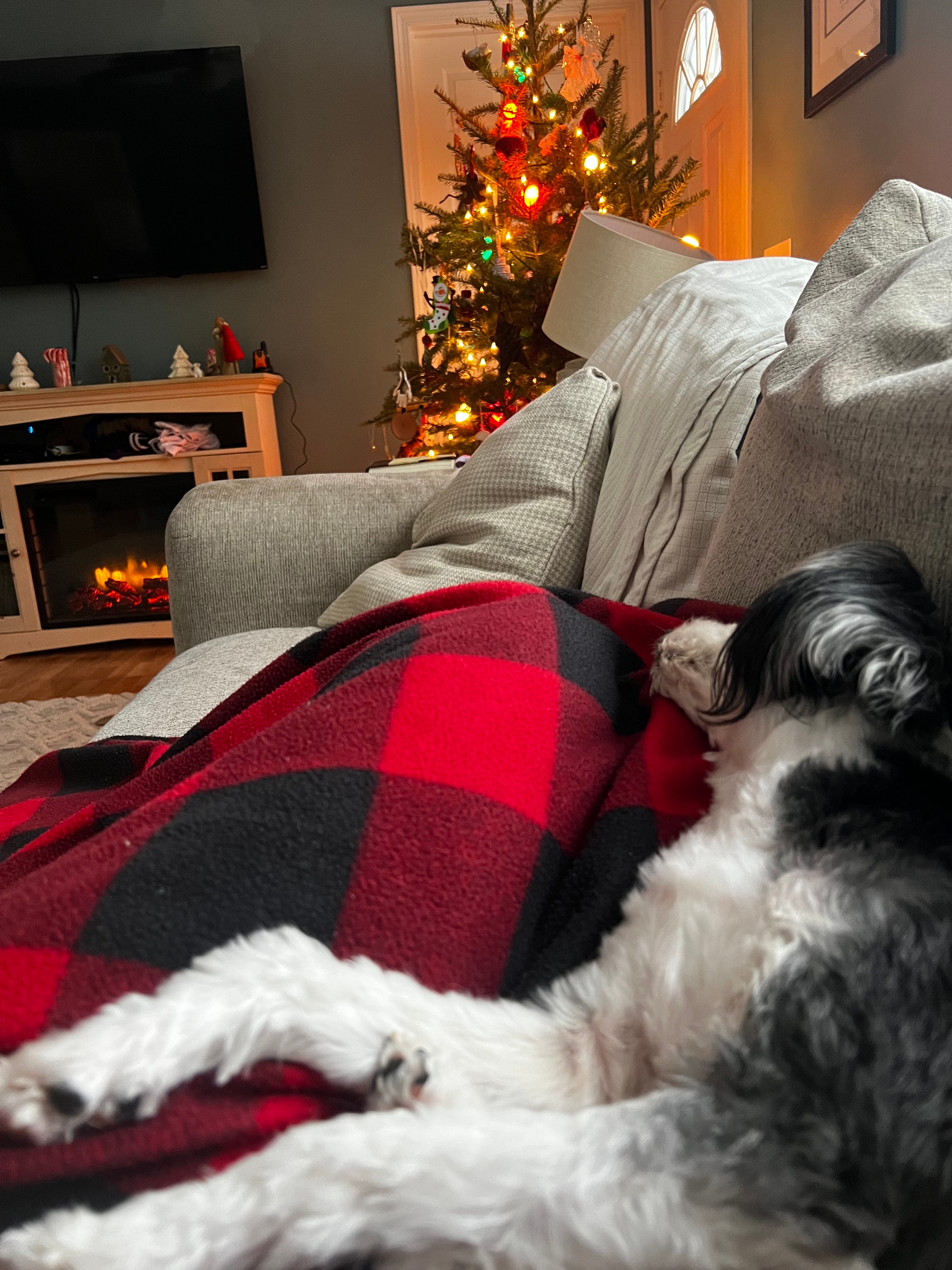
I’ve also been in a bit of a dream-state, a little disconnected from the online world, which I find inevitably leads to more creative thoughts—a little more weird, a little more adventurous, a little more me.
That’s my writing resolution for the New Year, by the way: to be a little more unashamedly weird.
I hope you’ll mark your calendar for our next Office Hour with an Editor. We’ll be talking through our writerly goals, dreams, resolutions, etc. for the New Year. It will be on Wednesday, January 7 from 1:30-2:30 PM (EST). This is a monthly offering for paid subscribers and I have to say—it’s a pretty darn good time. Join us!
Find the link to the Zoom meeting at the bottom of this post!
I wrote this true story thanks to the prompting of Josh Nadeau and his latest challenge to write something beautiful about suffering. The older I get, the more I understand that people who have lived many years are filled with treasure and that, if we are patient enough to sit, and to ask, and most importantly, to listen, we will be rewarded with whatever they care to share. In the case of this story, I was a little too late in learning that lesson.
EMPTY BOWLS
I didn’t know much about Virginia Putnam1 except she would pay me ten dollars for two hours to clean her apartment twice a month. I reckoned that would put enough gas in my car to get to school each day plus wherever I wanted on the weekends, so I went.
Virginia lived in a place called Leisure Village, which sounds like a bougie vacation destination, but it was not. The doors had a code you had to punch in whenever you came or went so the residents would not slip out, and all about the hallways were lounge chairs and tables with the open invitation of puzzle pieces spread out upon them. But they were eternally unoccupied. Its residents remained mysteries, hidden behind heavy oak doors. You could tell which ones had family nearby though, because their doors would be decorated for the seasons. A garland of leaves here. A wreath of tinsel there. For the true patriots, American flags in July.
Virginia’s door had only her name.
The first time I went to clean, I opened the door and peered into a spartan room that, to the naked eye, sparkled. Virginia was standing there in pressed slacks and a matching cardigan, and I said something like, “Hello, it’s nice to meet you,” in the timid manner young people so often adopt with those who are old. Standing there before her, my youth suddenly felt like an intrusion; my jeans, a vulgarity.
“Do you know how to iron?” she asked after showing me around the place, which was just a modest kitchen, a blip of carpet for the living room, and a small bedroom with a bathroom attached. From then on I would show up at our agreed-upon time and press pleats into her already crisp pants, or run a Swiffer down her white walls, or sweep floors that were utterly devoid of debris. After about an hour and a half of this, she would usually say from her chair, “I have a little vanilla ice cream in the freezer. Do you like vanilla ice cream? You’ve been working hard. Why don’t you get us both a scoop and come sit down.”
There was an NPR program she liked to listen to called News from Lake Wobegon, and we would lick our spoons in reverential silence as we listened to tales from this fictional town where “all the women are strong, all the men are good-looking, and all the children are above average.” I would always have one eye on the clock though, and when the second hour was up I would stand and collect our dishes. The spoons would clamor in the empty bowls, traveling around the rim, sometimes falling to the ground. As I hastened to put them away I would say, “I’ll see you two weeks from today, Virginia,” and then she would go off and get her wallet and hand me two ten-dollar bills.
I felt embarrassed by this transaction every time, like I had cheated her. Back then, I might have thought it was because I never did much actual cleaning, but now I know it was because I was lining my pockets with her loneliness.
But I would swallow that feeling up before it swallowed me. And then I’d push that great big door open, pass the neglected puzzles, press the secret digits in the entryway, and walk gasping into the light of day.
****
Doing the math in the cool brisk sunshine this morning, it dawned on me that the luxury to press the secret digits and escape the discomfort of being human is now fading. That was half a lifetime ago. Now when I am twice this age, I will be nearly as old as Virginia was then. I regret never looking her in the eyes long enough to see what was behind them, being so worried that there might be need, or want, or something worse, there.
Who has loved you? I could have asked. And, who have you loved? Or, What is it like to stand on the threshold of heaven? Do you find it takes very much courage?
If I’d had the courage then, maybe I would have reached out and held her hand. Maybe I could have at least done that.
****
“Oh, and do you remember Virginia Putnam?” my mother asked over the phone one day after I had gone off to college, maybe a year after the fact. “She died. Poor thing. I thought you would like to know.”
I cannot remember if I cried. But I did, once, visit her grave. On that day, I brushed my hand against her stone, then—in that timid way of young people with the dead—said something forced and foolish all over again; something entirely disingenuous like, Hello Virginia. It’s been a while. It’s nice to see you again.
I hope she chuckled with the saints then, that the sting of loneliness and my lackluster love had already become, at that point, just the soft nostalgia of another Wobegon era.
Here’s the ZOOM link for next week’s Office with an Editor. Join us!
Keep reading with a 7-day free trial
Subscribe to The Second Cup to keep reading this post and get 7 days of free access to the full post archives.